can low sugar raise blood pressure How does sugar intake affect blood pressure?
High blood pressure, also known as hypertension, is a prevalent health issue affecting millions of people worldwide. It is often dubbed the “silent killer” because it typically has no obvious symptoms but can lead to severe complications such as heart disease, stroke, and kidney problems. While several factors contribute to the development of hypertension, one key aspect that has gained significant attention is the role of sugar intake.
Can Sugar Raise Blood Pressure?
There is growing evidence to suggest that excessive sugar consumption can contribute to an increased risk of developing high blood pressure. Studies have indicated a strong association between high sugar intake and hypertension, emphasizing the need to moderate our consumption of sugary foods and beverages.
When we consume sugary substances, such as soda, candies, and pastries, our bodies digest the carbohydrates and convert them into glucose, a simple sugar. This leads to a spike in blood sugar levels and triggers the release of insulin, a hormone that helps regulate blood sugar. However, consistently high blood sugar levels can strain our body’s insulin response and have a negative impact on our blood pressure.
Excess sugar consumption has been linked to weight gain, particularly abdominal fat deposition. Increased body weight puts added pressure on our blood vessels and forces our heart to work harder to pump blood throughout the body. This extra strain on the cardiovascular system can contribute to the development of hypertension over time.
The Sugar Overload Effects on Blood Pressure
Consistently consuming excessive amounts of sugar can also lead to other detrimental effects on our blood pressure and overall health. These effects include:
1. Increased Sodium Retention:
Sugary foods and beverages are often high in sodium, which is a known contributor to elevated blood pressure levels. Excess sodium intake leads to fluid retention, which increases blood volume and subsequently raises blood pressure.
2. Impaired Endothelial Function:
The inner lining of our blood vessels, known as endothelium, plays a crucial role in regulating blood pressure. High sugar consumption has been found to impair endothelial function, making the blood vessels less flexible and more prone to constriction, ultimately raising blood pressure.
3. Inflammation and Oxidative Stress:
Excessive sugar intake can trigger chronic inflammation and oxidative stress in the body. Inflammation and oxidative stress are associated with various health conditions, including hypertension. These processes can damage blood vessels and disrupt the normal functioning of the cardiovascular system, leading to elevated blood pressure.
It is important to note that while sugar can contribute to high blood pressure, it is not the sole cause. Hypertension is a multifactorial condition influenced by several genetic, lifestyle, and environmental factors. Nonetheless, reducing sugar intake is a prudent step towards maintaining healthy blood pressure levels and overall well-being.
 To promote optimal heart health and maintain blood pressure within the recommended range, it is advisable to moderate our sugar intake. Limiting the consumption of sugary beverages such as soda, energy drinks, and sweetened juices is essential. Instead, opt for water, herbal teas, or naturally flavored beverages. Additionally, we should be mindful of hidden sugars in processed foods and choose whole, unprocessed foods whenever possible.
Remember, a balanced diet rich in fruits, vegetables, lean proteins, and whole grains plays a crucial role in managing blood pressure. Regular exercise, stress management, and maintaining a healthy weight are equally important for overall cardiovascular health.
Eating Too Much Sugar: Take Control
Awareness and education are the first steps in taking control of our sugar intake. By understanding the potential risks associated with excessive sugar consumption, we can make informed choices about our dietary habits and prioritize our heart health.
 As we embark on our journey to maintain healthy blood pressure levels, it is crucial to consult with healthcare professionals, such as registered dietitians or primary care physicians, who can provide personalized guidance and support. They can help develop a tailored plan that caters to our specific needs and goals.
In conclusion, excessive sugar intake can contribute to the development of high blood pressure. By reducing our sugar consumption and adopting a well-balanced diet, we can take proactive steps towards promoting heart health and maintaining optimal blood pressure levels.
If you are looking for Can Sugar Raise Your Blood Pressure — DiabetesCareTalk.net you’ve visit to the right page. We have 5 Images about Can Sugar Raise Your Blood Pressure — DiabetesCareTalk.net like Sugar Overload Effects | Eating too Much Sugar | Complete Care, How to raise your blood pressure naturally? and also can sugar raise blood pressure | Blood Pressure Explained. Here you go:
Can Sugar Raise Your Blood Pressure — DiabetesCareTalk.net
 www.diabetescaretalk.netHow To Raise Your Blood Pressure Naturally?
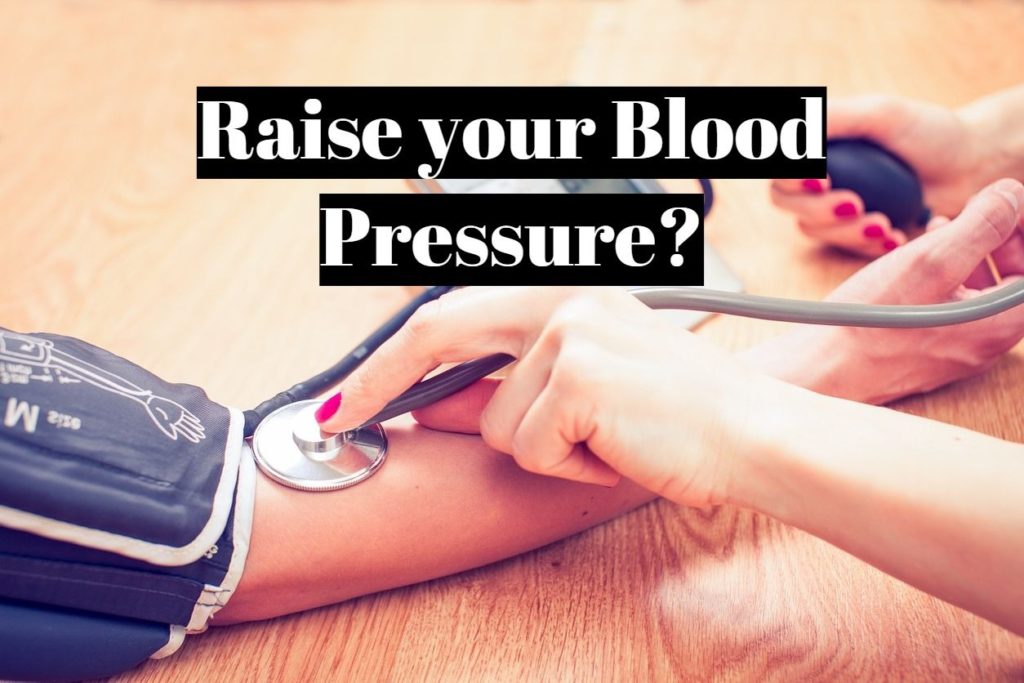 www.intermittent-breathing.comraise
Can Sugar Raise Blood Pressure | Blood Pressure Explained
bloodpressureexplained.comraise
How Does Sugar Intake Affect Blood Pressure? - YouTube
 www.youtube.compressure blood sugar does affect
Sugar Overload Effects | Eating Too Much Sugar | Complete Care
www.visitcompletecare.comeating overload
Can sugar raise blood pressure. How to raise your blood pressure naturally?. How does sugar intake affect blood pressure?